
Ultimate Guide: Comic Panel Layouts & Design Tips
Struggling to find the perfect visual rhythm for your comic story? You have a great idea, compelling characters, and sharp dialogue, but how you arrange your panels can make or break the entire narrative. A well-chosen comic panel layout guides the reader's eye, controls the pacing, and amplifies the emotional impact of every scene.
This ultimate guide explores the art and science of visual storytelling. We'll dive into 24 diverse comic panel layouts, from classic grids to the unique diagonal and custom arrangements that set modern tools apart. You’ll learn professional design tips to match the right layout to your story’s needs.
Whether you're storyboarding a professional project, creating engaging social media content, or just having fun, mastering panel design is a game-changer. And with powerful AI tools, you no longer need to sketch by hand. You can bring your vision to life in seconds with an advanced AI comic creator.
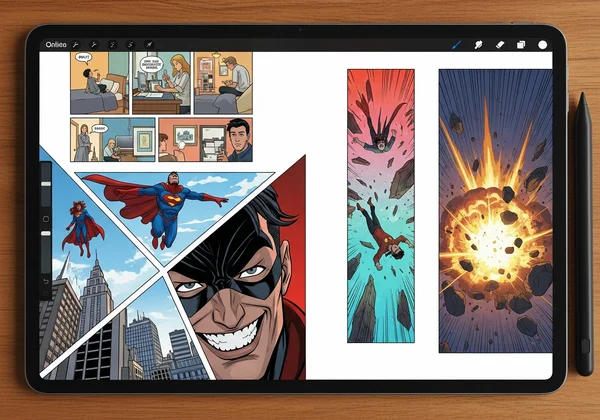
Understanding Comic Panel Layouts: The Basics
Before choosing a layout, it's essential to understand why it's so important. A comic panel layout is more than just a container for your art; it's the invisible framework that directs your entire story. It's the difference between a clear, compelling narrative and a confusing page that loses the reader's interest.
Why Layout Matters: Guiding the Reader's Eye & Pacing
The primary job of a panel layout is to guide the reader’s eye across the page in the correct sequence. In Western comics, this is typically from left to right, top to bottom. But the size, shape, and placement of panels do much more.
Small, uniform panels speed up the action or dialogue. A single large 'splash page' slows things down. It lets readers soak in dramatic reveals or epic views. The layout is your tool for controlling the story's rhythm.
Common Grid Structures vs. Dynamic Panel Arrangement
For decades, comics relied on simple grid structures—like a six-panel or nine-panel grid. These are fantastic for straightforward, sequential storytelling. They are predictable and easy to follow, making them a safe choice for many creators.
However, modern storytelling often demands more flexibility. A dynamic panel arrangement uses panels of varying sizes and shapes to create a visual hierarchy. A tall, thin panel might emphasize height, while a wide, panoramic panel can establish a setting. Breaking free from the traditional grid allows you to create a more immersive and emotionally resonant experience for your reader.
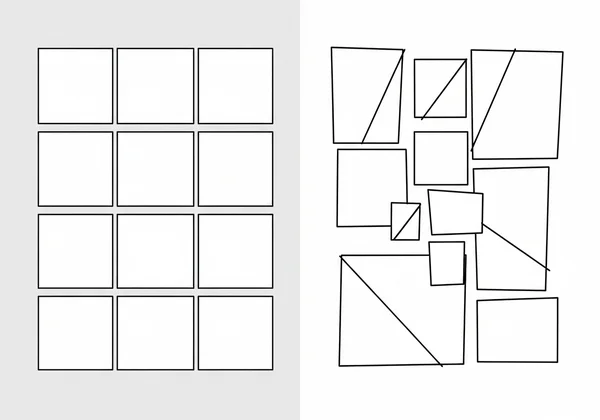
Exploring 24 Comic Layout Designs with Comic Generator
The key to great visual storytelling is having options. Rigid templates can stifle creativity, which is why access to a wide variety of layouts is so important. Modern tools like Comic Generator offer an extensive library of 24 distinct layouts, empowering you to find the perfect structure for any scene. Let's explore some of these categories.
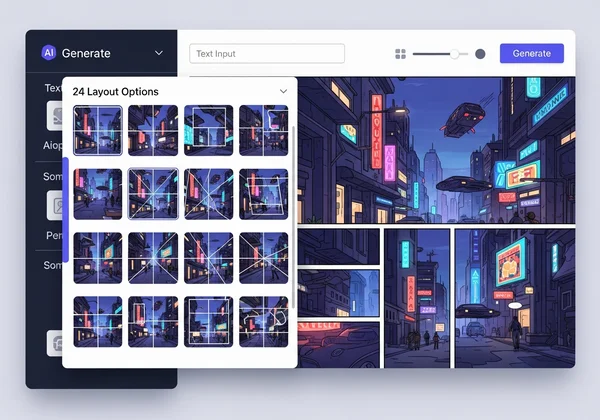
Classic Grids for Clear Sequential Narratives
These are the foundational layouts that every creator should know. They are perfect for clear, linear storytelling, making them ideal for tutorials, daily comic strips, or simple narrative sequences.
- Four-Panel Grid (2x2): A balanced and versatile layout, great for comedic timing (the classic "gag strip") or a simple four-beat story.
- Six-Panel Grid (2x3): Offers more room for plot development and dialogue without overwhelming the page. It's a workhorse of modern comics.
- Nine-Panel Grid (3x3): Excellent for dense scenes with lots of detail or for slowing down a single moment by breaking it into multiple small actions.
Dynamic & Asymmetrical Panels for Impact & Drama
When you need to emphasize a specific moment, asymmetrical layouts are your best friend. By varying the size and shape of panels, you can tell the reader what’s important.
- Dominant Panel Layout: Features one large panel surrounded by several smaller ones. The large panel captures the main action or emotional beat, while the smaller ones provide context, reactions, or details.
- Vertical or Horizontal Emphasis: Layouts with long, tall panels can convey a sense of falling or towering height. Wide, short panels are perfect for cinematic establishing shots or capturing a group conversation.
Mastering Diagonal & Custom Grids for Advanced Storytelling
This is where you can truly elevate your comic. Diagonal lines inherently create a sense of energy, tension, and action. They break the static feel of a standard grid and are perfect for fight scenes, chase sequences, or moments of psychological distress.
Diagonal splits used to be for pro artists only. Comic Generator makes them a one-click wonder. Your AI comics get that dynamic, hand-drawn vibe no other tool matches.
Matching Panel Layouts to Story Genres: A Quick Reference
Not sure where to start? Here’s a quick guide to matching layouts with common genres:
- Comedy: Stick to simple, symmetrical grids like the four-panel layout to perfect your punchlines.
- Action: Use asymmetrical and diagonal layouts to convey speed, chaos, and impact.
- Drama: Mix large, emotive panels with small, intimate close-ups to control the emotional pacing.
- Mystery: Use inset panels or overlapping frames to highlight clues and build suspense.
- Education: Classic grids provide a clear, easy-to-follow structure for instructional content.
How to Choose the Best Comic Panel Layout for Your Story
With so many options, how do you pick the right one? The best comic panel layout is the one that serves your story. It should feel invisible to the reader, effortlessly guiding them through the narrative you’ve crafted.
Consider Your Story's Pacing and Reader Flow
First, think about the rhythm of your scene. Is it a fast-paced argument or a slow, reflective moment?
- For Fast Pacing: Use more panels per page. Smaller, evenly sized panels encourage the reader to move quickly from one to the next.
- For Slow Pacing: Use fewer, larger panels. This gives each moment more weight and allows the reader to spend time absorbing the art and emotion.
A consistent flow is key. Ensure the arrangement of your panels naturally leads the eye from one to the next without causing confusion.
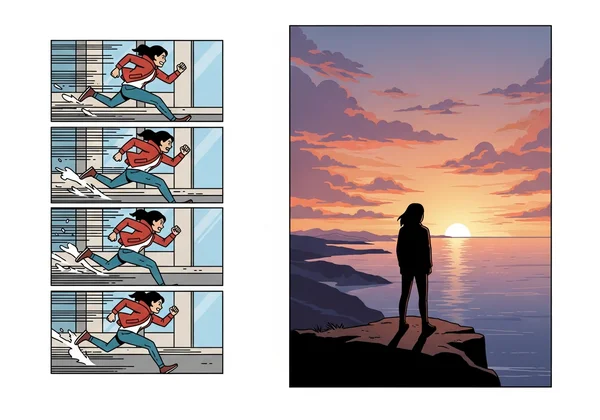
Emphasizing Key Moments Through Panel Sizing & Shape
Your most important moments deserve the most important panels. Use panel size to create a visual hierarchy on the page. A shocking reveal, a hero's entrance, or a critical decision should be given a larger, more prominent panel than a simple reaction shot.
Don't be afraid to dedicate an entire page to a single image—a "splash page"—for the most pivotal events in your story. This is a powerful technique that tells the reader, "Pay attention, this matters."
Practical Steps for Selecting Layouts in Comic Generator
Choosing the perfect layout shouldn’t be a chore. With an AI tool, it’s an exciting part of the creative process. Here’s how simple it can be:
- Enter Your Story: First, type or paste your script into the text box.
- Browse Layouts: Explore the 24 available comic panel layouts. Think about the mood and pacing of your scene as you browse.
- Select & Generate: Click on the layout that best fits your narrative needs. The AI will instantly generate your comic strip, fitting your story into the chosen structure.
- Review & Refine: Don't like the first result? Simply select another layout and regenerate. You can experiment with layouts in seconds until you find the perfect one.
Pro Tips for Elevating Your Comic Strip Template Design
Once you’ve mastered the basics, you can start using panel layouts like a seasoned professional. These advanced tips will help you add a new layer of sophistication to your comic strip template designs.
Consistent Layouts vs. Strategic Variations
For longer stories or a series, establishing a default layout (like a six-panel grid) can create a comfortable reading rhythm for your audience. However, the true power comes from knowing when to break that pattern. If your entire comic uses a standard grid, the one page where you suddenly switch to a dynamic, diagonal layout will have a massive impact. Use consistency to build expectations, then use variation to shatter them for dramatic effect.
Harnessing White Space and Gutters for Visual Clarity
The space between your panels, known as the "gutter," is just as important as the panels themselves.
- Standard Gutters: Provide clean separation and make the page easy to read.
- Wide Gutters: Can create a sense of distance in time or space between panels.
- No Gutters (Touching Panels): Can create a feeling of immediacy, chaos, or a seamless flow of action.
Don't let your page feel cramped. Proper use of white space ensures your panels can breathe and your reader's eye isn't overwhelmed.
Iteration & Experimentation with AI-Generated Layouts
The single biggest advantage of using an AI comic generator is the ability to iterate rapidly. In the time it would take to sketch one layout by hand, you can generate and compare dozens of variations. This freedom to experiment is invaluable.
Use this power to test different approaches. How does your scene feel in a rigid grid versus a dynamic one? Does a diagonal layout add the energy you were looking for? The ability to create comics from text instantly removes the technical barriers, leaving you free to focus purely on the art of storytelling.
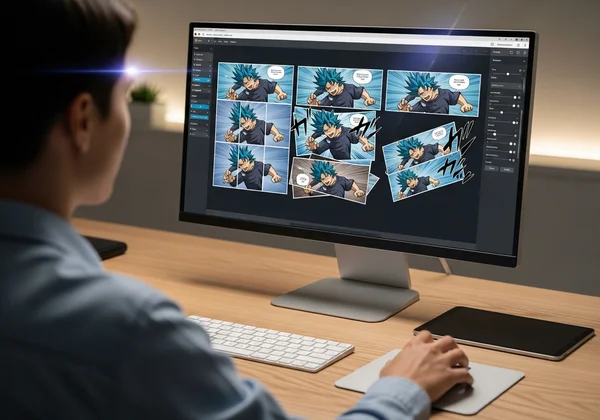
Unlock Your Story's Potential with Perfect Panel Layouts
A comic panel layout is far more than a set of boxes on a page. It is the architecture of your narrative, the rhythm of your story, and the lens through which your audience experiences your world. Master the basics. Embrace modern tools' freedom. Turn simple ideas into stunning, emotional comics.
Break free from basic grids. With access to 24 unique layouts, including dynamic and diagonal grids, you have everything you need to control your pacing, emphasize key moments, and captivate your readers.
Ready to see how the right layout can elevate your story? Visit Comic Generator now and start creating your own professional-quality comics in minutes.
Frequently Asked Questions About Comic Panel Layouts
How do I choose the best comic panel layout for my story?
The best layout depends on your scene's pacing and mood. For fast action, use multiple small panels. For dramatic moments, use a single large panel. Consider the emotional tone: structured grids feel calm, while dynamic or diagonal layouts feel energetic and tense.
Can AI help me create complex comic strip templates?
Absolutely. AI tools like Comic Generator are designed to handle complexity with ease. They can instantly generate advanced layouts, including asymmetrical and diagonal designs, that would take significant time and skill to draw manually. This allows you to achieve a professional look without any drawing experience.
What are the different types of comic panel designs available?
Panel designs range from simple, symmetrical grids (like 2x2 or 3x3) to dynamic, asymmetrical layouts with panels of varying sizes. Advanced designs include diagonal splits for action scenes, inset panels for showing details, and borderless panels for a more open, dreamlike feel. A good comic maker online will offer a wide variety.
Is it difficult to make a comic strip with unique layouts without drawing skills?
It used to be, but not anymore. The primary benefit of an AI comic generator is that it separates storytelling from drawing ability. You provide the story text, and the AI handles the illustration and arranges it within your chosen layout. You can create visually complex and unique comics without ever picking up a pencil.
Is Comic Generator free to use for experimenting with panel layouts?
Yes, you can start creating and experimenting with the full range of comic styles and panel layouts for free. It’s a great way to see how different designs impact your story and find the perfect visual voice for your ideas. You can try our free tool today to get started.