
AI Comic Lesson Plans for Every Subject
Engaging students in every subject can be a daily challenge. How do you make complex scientific principles, dense historical events, or abstract literary themes feel exciting and accessible? Traditional methods often fall short, but a new approach is transforming classrooms: visual storytelling with AI-generated comics. Imagine turning a dry history lesson into a vibrant, memorable narrative. With the right tools, you can bring any topic to life.
This guide provides practical AI comic lesson plans for science, language arts, and social studies. We'll show you how to use visual narratives to boost comprehension, creativity, and student engagement. Using an intuitive tool like Comic Generator, you can create curriculum-aligned content in minutes, no drawing skills required. Let's explore how to integrate these powerful activities into your teaching.
Creating Science Comics with Comic Generator
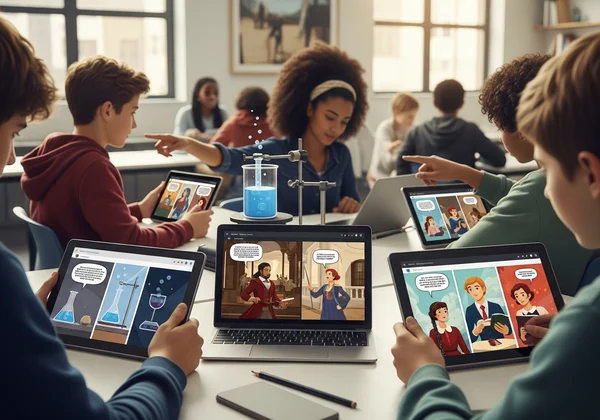
Science is full of complex processes and abstract ideas that can be difficult for students to grasp. Comics offer a powerful way to break down these concepts into simple, visual steps. By combining images and text, you can make everything from the laws of physics to the life cycle of a cell easier to understand and remember.
Using an AI comic creator simplifies this process for both teachers and students. Instead of spending hours drawing, you can focus on the core concepts. Students can quickly turn their understanding of a scientific topic into a shareable comic strip, reinforcing their learning through creative expression.
Physics Concepts Made Visual
Physics often involves forces and motions that are invisible. How can students understand concepts like gravity, momentum, or energy transfer? A comic strip is the perfect medium. For example, a lesson on Newton's Laws of Motion can be illustrated with a character pushing a box. The first panel shows inertia, the second demonstrates force equals mass times acceleration, and the third illustrates the action-reaction principle.
Students can use a comic maker online to input simple descriptions like "A superhero stops a speeding train" or "An apple falls from a tree" and watch the AI generate a visual sequence. This activity transforms abstract formulas into concrete, memorable stories.
Biology Lessons Through Visual Storytelling
From photosynthesis to DNA replication, biology is rich with intricate processes. Visualizing these steps is crucial for comprehension. Instead of just reading about the water cycle, students can create a comic starring a single drop of water on its journey from a lake to the clouds and back again.
This approach also works beautifully for explaining ecosystems. Students could design a comic showing the food chain in a specific habitat, with each panel introducing a new organism and its role. This creative task encourages them to think critically about biological relationships and present their knowledge in an engaging format.
Chemistry and Earth Science Comic Templates
Chemistry and Earth Science also benefit from visual aids. Imagine teaching the states of matter by creating a comic about a water molecule's adventures as it freezes, melts, and evaporates. For Earth Science, students could create comics that explain the rock cycle, volcanic eruptions, or the formation of continents.
To make this even easier, you can provide students with a simple story prompt. They input the text, choose a fun comic style, and let the AI handle the illustration. This allows them to focus on the scientific accuracy of their narrative while still producing a visually appealing project.
Literature and Language Arts Comic Activities
Language Arts is all about understanding stories, characters, and the power of words. Comics provide a unique way to deepen this understanding. By translating written text into a visual medium, students are forced to think critically about subtext, character motivations, and plot development. It’s an active, creative way to engage with literature.
These activities help students move beyond passive reading. They become co-creators, interpreting the text and making deliberate choices about how to represent it visually. This process strengthens analytical skills and offers a fun alternative to traditional essays.
Character Analysis Through Comic Strips
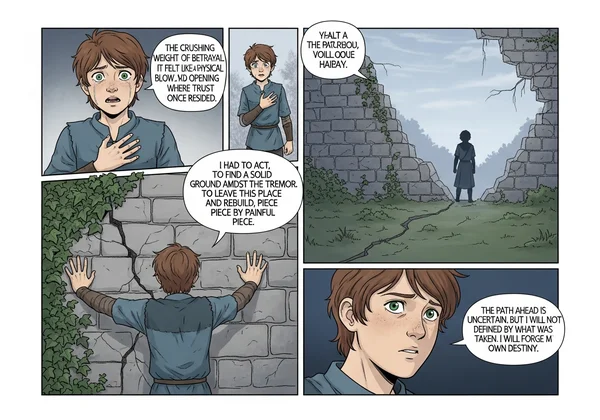
Understanding a character's journey is central to literary analysis. Ask students to create a comic strip that highlights a key moment for a protagonist from a novel you're reading. They'll need to think about the character's emotions, actions, and dialogue. How would they visually represent a character's internal conflict or a moment of realization?
Using an AI comic generator, students can focus on the narrative and dialogue, letting the tool generate visuals that match their text prompts. This exercise encourages them to infer meaning and express their interpretation of a character in a concise, powerful format.
Plot Structure Visualization Exercises
Every story follows a structure, from the exposition to the rising action, climax, and resolution. To help students understand this framework, have them map out a short story or a chapter of a book as a comic. Each panel can represent a key plot point, creating a visual summary of the narrative arc.
This exercise is especially helpful for visual learners. It solidifies their understanding of how a story is built and how different events connect. They can experiment with different comic panel layouts to emphasize certain moments, like using a larger panel for the story's climax.
Vocabulary Building with Comic Context
Learning new vocabulary words in isolation can be ineffective. Comics provide context, making new words more memorable. Give students a list of vocabulary words and challenge them to create a short comic story that uses each word correctly. Seeing the word used in a visual scene helps cement its meaning.
For example, if the word is "precarious," a student could create a comic of a character balancing on a tightrope. This activity is not only fun but also highly effective for long-term retention, as it connects the word to a visual and narrative context.
Social Studies Comics for Historical Understanding
History is a collection of stories about people, places, and events. Comics are a natural fit for bringing these stories to life. They can make distant historical figures feel more relatable and complex timelines more manageable. Instead of memorizing dates and names, students can engage with the human drama of the past.
Using comics in social studies helps students connect with history on an emotional level. It encourages them to consider different perspectives and to think about the cause and effect of historical events. It’s a dynamic way to explore our shared past.
Historical Event Timeline Comics
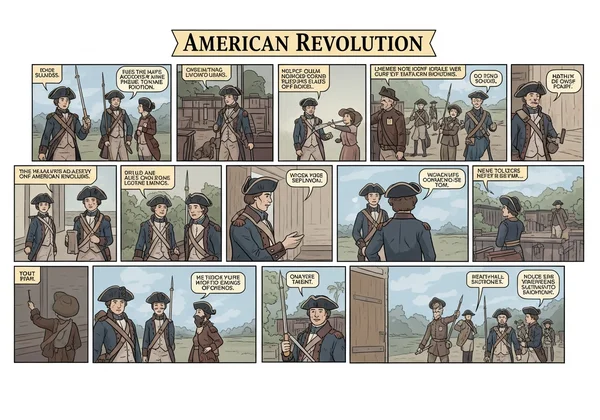
Timelines are a staple of history class, but they can be static and boring. Turn a timeline into a narrative by having students create a comic that depicts key moments from a historical period. For example, a comic about the American Revolution could have panels showing the Boston Tea Party, the signing of the Declaration of Independence, and the final battle at Yorktown.
This project requires students to research and synthesize information, then present it in a clear, sequential format. It’s a great way to review for a test or summarize a major unit of study. You can create comics from text to make this process fast and fun.
Cultural Exploration Through Visual Narratives
Comics can also be a wonderful tool for exploring different cultures. Students can research and create comics about daily life in ancient Rome, the traditions of the Maya civilization, or the stories behind cultural holidays around the world. This helps them develop empathy and a deeper appreciation for cultural diversity.
This activity encourages research and creativity. Students must learn about a culture's customs, clothing, and environment to create an authentic comic. It’s a project that combines history, geography, and art in a meaningful way.
Civics and Government Concepts Illustrated
How does a bill become a law? What are the three branches of government? These civics concepts can be abstract for students. Creating a comic is an excellent way to illustrate these processes step-by-step. A character could "walk" a bill through Congress, with each panel explaining a different stage of the legislative process.
This visual approach simplifies complex systems and makes them easier to understand. Students can use dialogue bubbles to explain key terms and concepts, creating a study guide that is both informative and entertaining.
Implementing Comic Generator in Your Classroom
Ready to bring these ideas into your classroom? Getting started with an AI comic tool is easier than you think. The key is to introduce it as a creative option for projects and assessments, empowering students to show their knowledge in a new way.
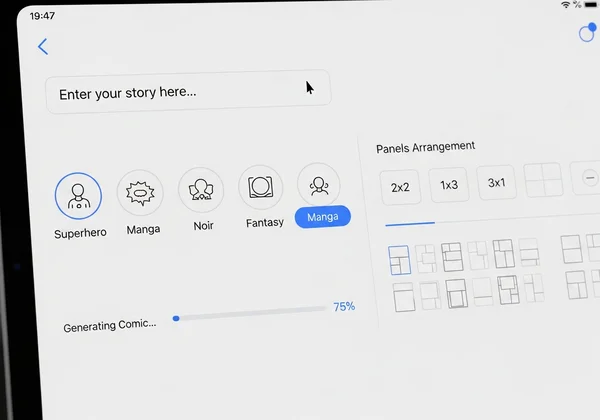
The best tools are simple, safe, and flexible. They allow students to express their understanding of complex subjects through visual storytelling, even without artistic skills. Look for a platform that allows for easy text input, offers a variety of styles, and works well on different devices. With the right setup, you can seamlessly integrate comic creation into your existing lesson plans.
Setting Up Student Accounts and Projects
Modern tools like Comic Generator are designed for classroom use. They eliminate the need for complex software installations. Students can access them from any computer or tablet with an internet connection. Simply share the link and a project prompt, and they can start creating immediately.
Assessment Strategies for Comic-Based Learning
How do you grade a comic? Create a simple rubric that focuses on the learning objectives, not artistic talent. Assess students on the accuracy of the information presented, the clarity of their storytelling, and their ability to use the comic format to explain a concept. For example, in a science comic, you would look for correct labeling and a logical sequence of events.
Integrating Comics with Existing Curriculum Standards
AI-generated comics are not just a fun Friday activity; they can directly support your curriculum standards. Whether it's demonstrating understanding of a historical event (Common Core State Standards for History/Social Studies) or analyzing character development (CCSS for English Language Arts), comic creation is a valid and powerful form of assessment that aligns with modern educational goals.
Transform Your Teaching with AI Comics
Engaging students across all subjects requires creativity and a willingness to explore new tools. AI-generated comics offer a powerful, accessible, and fun way to make learning more visual and interactive. From explaining the laws of physics to summarizing a historical event, comics help students solidify their understanding and express their creativity.
You don't need to be an artist or a tech expert to bring this innovation to your classroom. With a user-friendly platform, you can empower your students to become creators and storytellers. Ready to see how easy it is to make lessons more memorable? Try our free tool today and start building your first educational comic in minutes.
The Takeaway
How do I create accounts for my students on Comic Generator?
Most modern web-based tools, including Comic Generator, don't require complicated student account setups. You can simply share the project link with your class, and they can start creating right away. This approach respects student privacy and makes classroom management simple.
Can AI-generated comics align with my existing curriculum standards?
Absolutely. Comic creation is a versatile activity that can align with nearly any subject's standards. It addresses skills like summarizing information, analyzing texts, sequencing events, and demonstrating comprehension. You can easily tailor comic projects to meet specific learning objectives outlined in your curriculum.
What about students who struggle with creativity or technology?
AI comic tools are designed to lower these barriers. Since the AI handles the drawing, students can focus on the story and the information. The interfaces are typically simple, with clear instructions. You can also provide story prompts or templates to help students who feel stuck. The goal is to show knowledge, not create a masterpiece.
Is Comic Generator accessible for students with learning differences?
Visual learning tools like comic creators can be incredibly beneficial for students with learning differences. The combination of text and images supports different processing styles. For students who struggle with writing long essays, a comic offers an alternative way to express their understanding. You can get started right on the Comic Generator homepage.
How can I assess student learning through comic creation?
Assessment should focus on content and comprehension. Create a simple rubric that evaluates information accuracy, narrative clarity, and effective use of the comic format to explain the topic. This ensures you are grading the learning, not the artistic skill.